
The Application of Natural Stone Washbasins in Bathroom Design
The bathroom, once a purely utilitarian space, has evolved into a sanctuary of personal wellness and a key expression of interior design aesthetics. Within this transformation, the choice of materials plays a pivotal role.
Among the plethora of options, natural stone has emerged as a premier, albeit complex, choice for washbasins, moving beyond conventional ceramic, glass, or engineered composites. A natural stone washbasin—
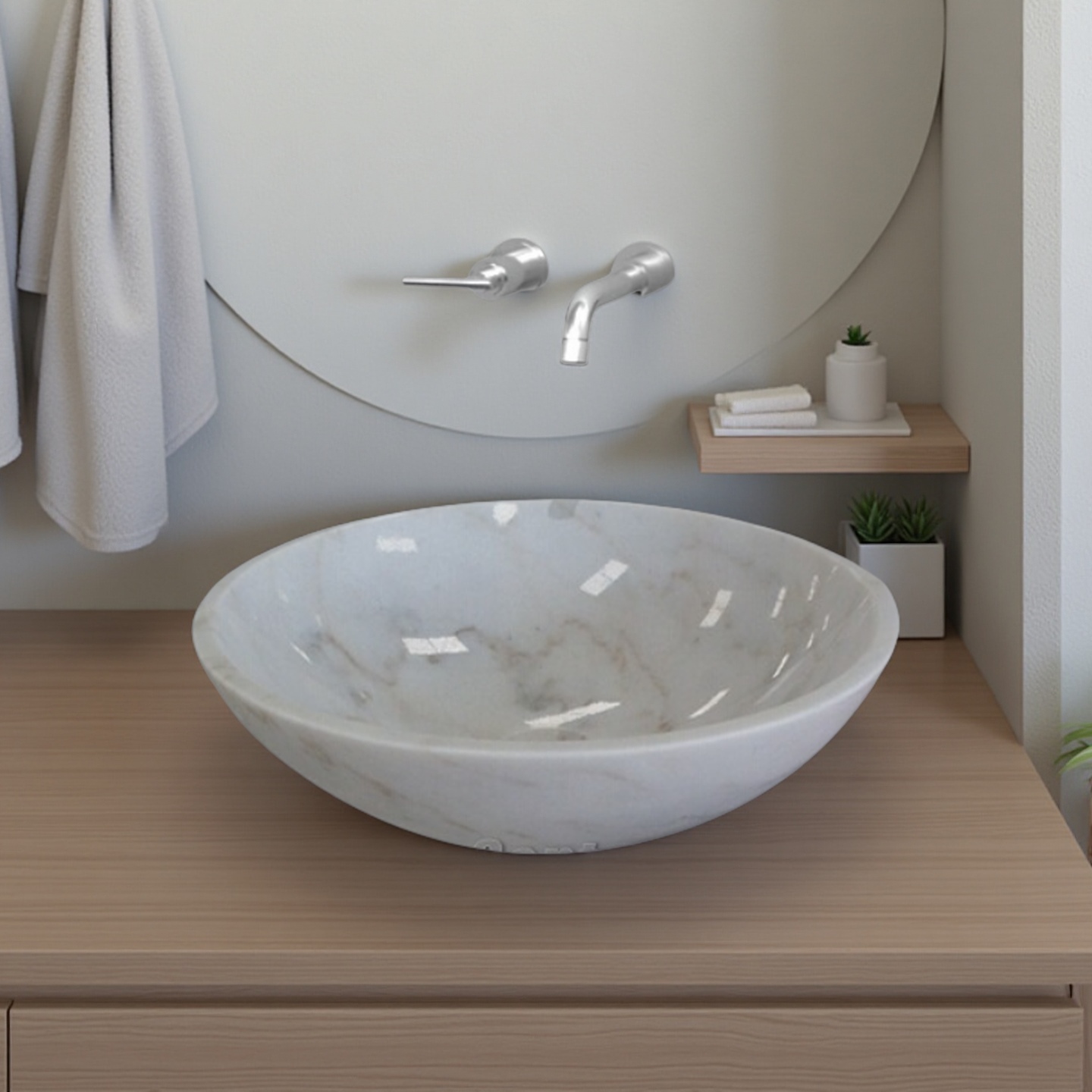
be it carved from majestic marble, rugged granite, serene travertine, or exotic onyx—is not merely a fixture but a statement piece. Its application, however, is a nuanced interplay of profound beauty and significant practical considerations.
This analysis delves into the multifaceted advantages and disadvantages of employing natural stone washbasins in residential and luxury commercial bathrooms.
### **Part I: The Advantages – The Allure of the Natural Element**
The benefits of using natural stone for washbasins are primarily sensory, aesthetic, and value-driven, contributing to an unparalleled bathroom experience.
**1. Unmatched Aesthetic Appeal and Uniqueness:**
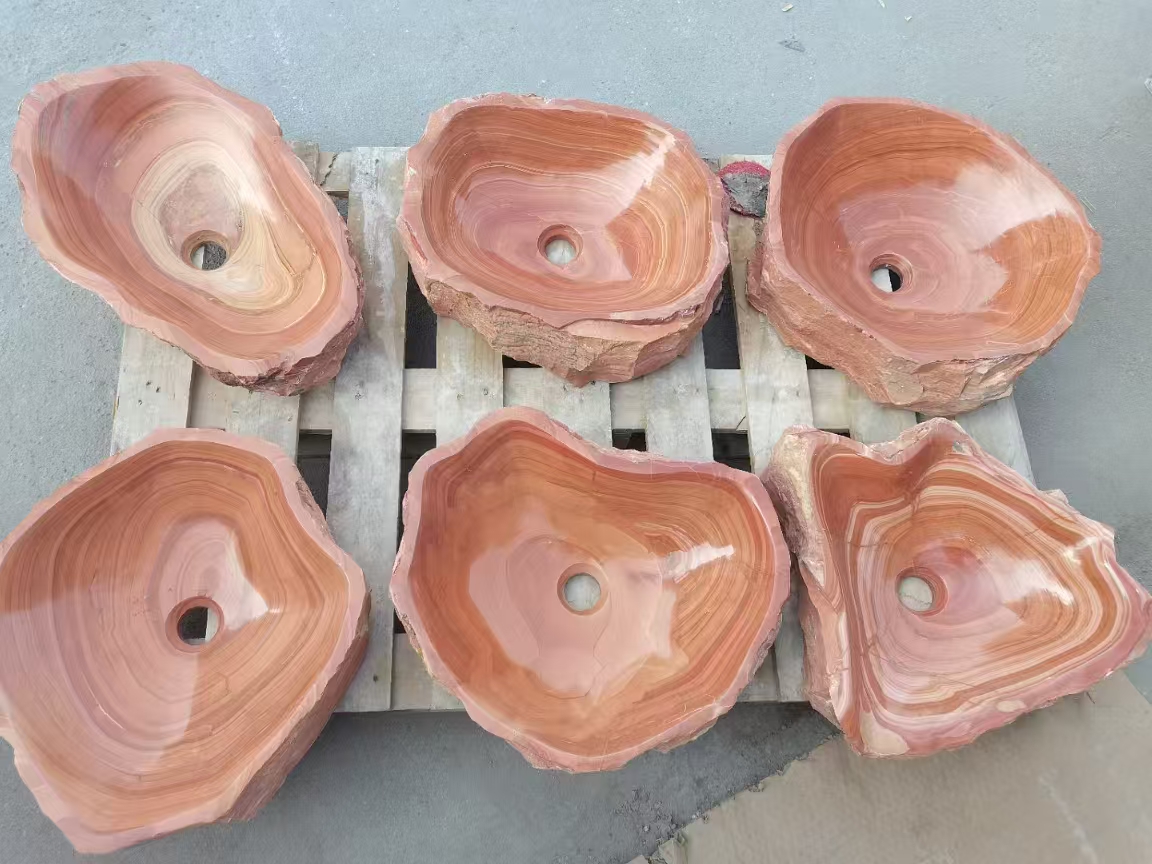
This is the foremost advantage. Every slab of natural stone is a unique canvas painted by geological time. Unlike mass-produced materials, no two stone basins are identical.
The veins, fissures, crystalline structures, and color variations (from the pure white of Statuario marble to the deep blues of Azul Bahia granite) create a one-of-a-kind artwork.
This transforms the washbasin from a simple utility into a focal point, adding a touch of organic drama and timeless elegance.
It can be tailored to suit styles ranging from classic opulence and rustic charm to sleek, modern minimalism depending on the stone finish (polished, honed, flamed, or brushed).
**2. Durability and Longevity:**
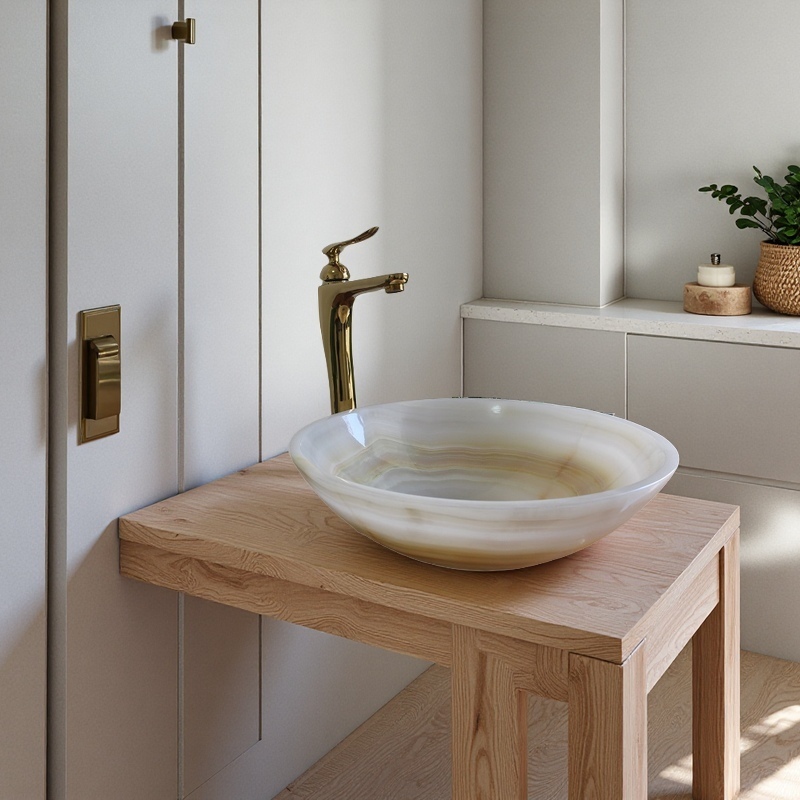
When properly selected and maintained, natural stone is incredibly durable. Granite, in particular, is renowned for its hardness and resistance to scratches and chips.
A well-constructed stone basin, especially those made from quartzite or hard granite, can last a lifetime, potentially outliving the structure of the house itself. This longevity stands in stark contrast to some composite or acrylic materials that may degrade, discolor, or become damaged over time.
**3. Increased Property Value and Perception of Luxury:**
The installation of high-quality natural stone fixtures is a recognized marker of luxury and quality craftsmanship. It signals to potential buyers or guests a commitment to premium materials and design. This perceived value can significantly enhance the overall appeal and market value of a property, often providing a return on investment that surpasses the initial cost of the fixture.
**4. Thermal Mass and Cool Sensation:**
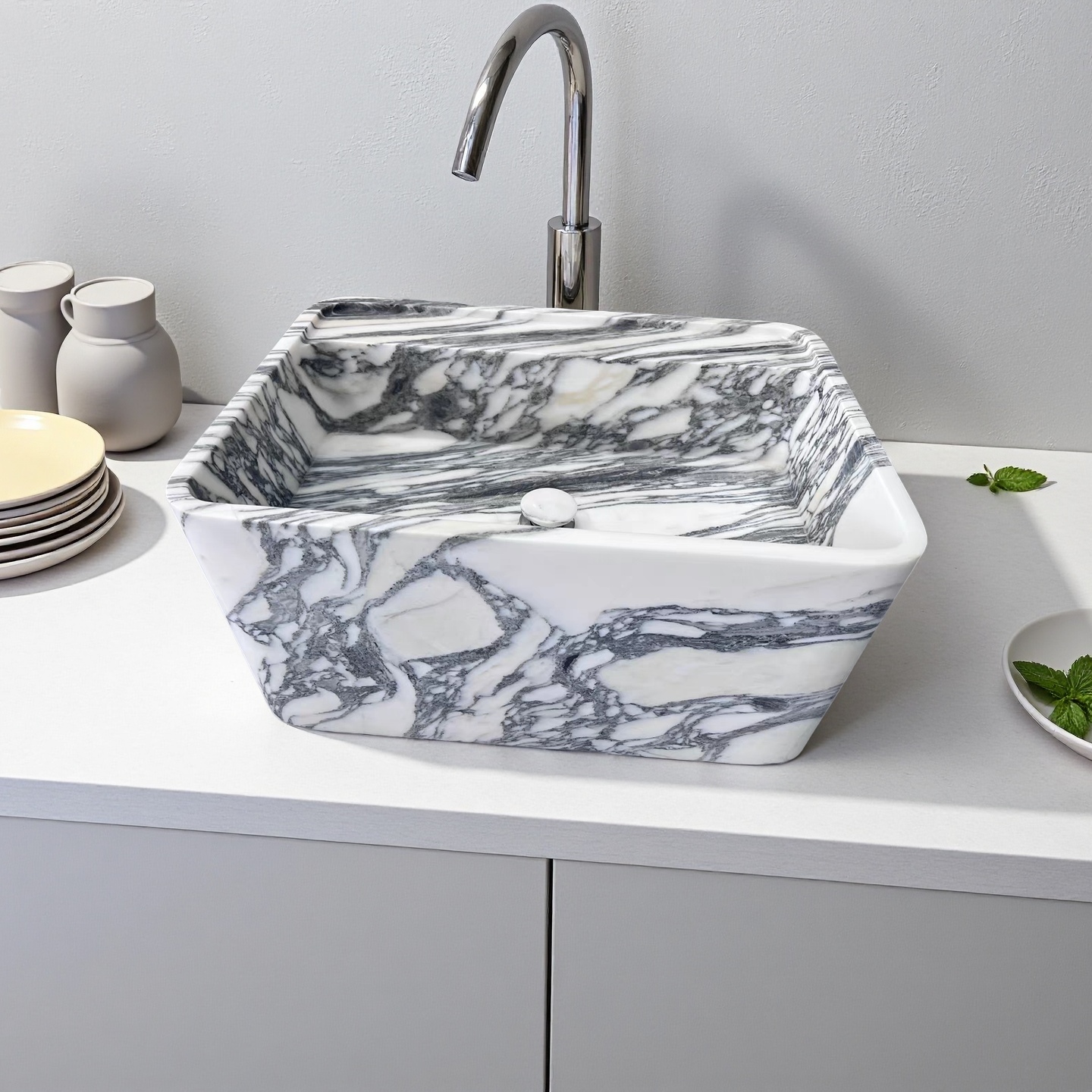
Natural stone possesses high thermal mass, meaning it feels substantial and cool to the touch—a sensation many associate with quality and permanence. This inherent coolness can be psychologically refreshing. Furthermore, in vessel-style basins, this property helps maintain the temperature of water for a slightly longer period, a subtle but appreciated tactile quality.
**5. Versatility in Design and Customization:**
Stone offers remarkable flexibility for bespoke design. It can be carved into virtually any shape, size, or profile: from sleek, rectangular undermount bowls to organic, freeform vessel sinks, or even dramatic monolithic countertop-basin integrations. Edge details can be intricately crafted—bullnose, ogee, waterfall, or chiseled—allowing for complete personalization to match the bathroom’s architectural language.
**6. Connection to Nature (Biophilic Design):**
Incorporating natural elements into interior spaces is a core principle of biophilic design, which is proven to reduce stress and enhance well-being. A stone washbasin, with its raw, earthly origin, fosters a tangible connection to the natural world within the bathroom. This creates a serene, spa-like atmosphere, promoting relaxation and a sense of grounding.
### **Part II: The Disadvantages – The Demands of Nature**
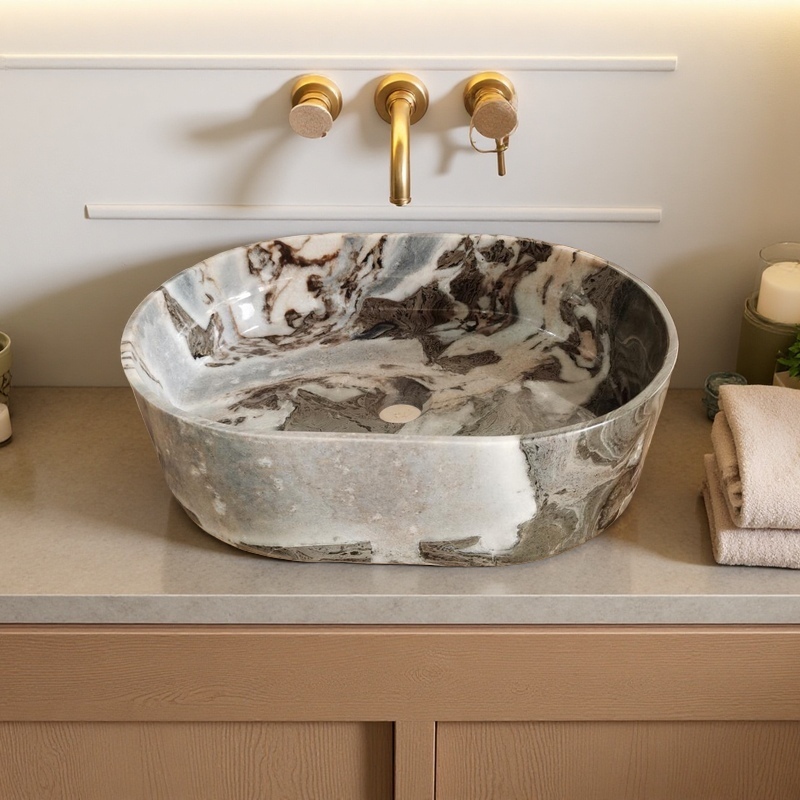
The very characteristics that make stone beautiful also introduce challenges that require careful consideration and commitment.
**1. Porosity, Staining, and Required Sealing:**
This is the most critical drawback. Most natural stones (with granite being a notable exception) are porous to varying degrees. Marble and limestone are particularly susceptible. This porosity means they can absorb liquids—water, oils, cosmetics, wine, acidic beverages—leading to stubborn stains and etches.
**Etching** is a specific chemical reaction where acids (like lemon juice, vinegar, or harsh cleaners) literally burn the calcite in the stone, leaving dull, whitish marks on a polished surface.
To mitigate this, stone basins **must be sealed** upon installation and re-sealed regularly (typically every 6 to 24 months, depending on use and stone type). This maintenance is non-negotiable and adds to the long-term care regimen.
**2. Susceptibility to Scratching and Chipping:**
While hard stones like granite resist scratches well, softer stones like marble, travertine, and onyx can be scratched by abrasive cleansers, hard water scale removal tools, or even seemingly harmless objects like zippers or metal soap dishes. Sharp impacts can also cause chips on the edges, especially on thinner profiles or delicate undermount lips. Repair, while possible, often requires a professional.
**3. Weight and Complex Installation:**
A solid stone basin, especially a large vessel or integrated piece, is extremely heavy. This necessitates a very sturdy countertop or vanity base capable of supporting the weight. Installation is not a DIY project; it requires skilled professionals familiar with stone handling and the specific plumbing considerations for heavy fixtures. Improper installation can lead to cracking or catastrophic failure.
**4. High Initial Cost:**
The expense of a natural stone washbasin is significantly higher than standard ceramic or porcelain options. The cost encompasses the raw material (with rare stones like onyx commanding premium prices), the skilled labor required for quarrying, cutting, and carving, transportation, and professional installation. This places it firmly in the luxury or custom-build budget category.
**5. Ongoing and Specialized Maintenance:**
Maintenance extends beyond periodic sealing. Daily cleaning requires pH-neutral, stone-specific cleaners. Harsh chemicals, vinegar, ammonia, or generic bathroom cleaners can strip the sealant and damage the stone. Water spots and soap scum must be wiped down regularly with a soft cloth to prevent buildup. This demands a conscientious owner who is willing to follow specific care instructions meticulously.
**6. Potential for Cracking and Thermal Shock:**
Although rare with proper installation and quality stone, inherent fissures in the stone can, under extreme stress, develop into cracks. More commonly, **thermal shock** is a risk. Subjecting a stone basin (particularly one that is not uniformly thick) to a sudden, extreme temperature change—like pouring boiling water into a cold basin—can cause it to crack. This necessitates user awareness.
**7. Variability and "Imperfections":**
The natural variation that is a virtue can also be a challenge for those seeking perfect uniformity. The buyer must accept and appreciate the inherent "flaws"—mineral deposits, color shifts, and natural fissures. A client expecting the consistent homogeneity of a manufactured product may be disappointed by the wild, unpredictable character of genuine stone.
**8. Plumbing and Water Spot Visibility:**
On dark, polished stones, water spots and soap residue can be highly visible, requiring frequent wiping to maintain a pristine appearance. In hard water areas, limescale buildup can be a persistent issue, requiring careful removal to avoid scratching.
### **Conclusion: A Balanced Decision for the Discerning Owner**
The decision to incorporate a natural stone washbasin into a bathroom design is not a casual one; it is a commitment to a living, breathing element of nature. Its application is a dialogue between the desire for supreme beauty, unique artistry, and lasting value, and the acceptance of significant cost, dedicated maintenance, and inherent material vulnerabilities.
The **advantages**—the breathtaking, unique aesthetic, the durable longevity, the luxury appeal, and the biophilic connection—create an emotional and sensory payoff that manufactured materials struggle to match. It transforms the daily ritual into an experience.
Conversely, the **disadvantages**—the high maintenance, staining risks, substantial cost, and need for careful handling—present practical hurdles that cannot be overlooked.
Therefore, the successful application of a natural stone washbasin hinges on several key factors: **informed selection** (choosing a harder, less porous stone like granite or quartzite for high-use family bathrooms, reserving marble for lower-use powder rooms), **realistic expectations** (embracing the patina that may develop over time), **investment in professional expertise** (from selection to installation), and most crucially,
the **owner’s willingness to steward the material** through a consistent care regimen.
Ultimately, a natural stone washbasin is not for everyone. But for the individual who views the bathroom as a personal gallery and is prepared for the stewardship it requires, it remains an unsurpassed choice. It is less a purchase and more an adoption of a piece of the earth’s history, offering a daily reminder of nature’s sublime, imperfect beauty within the most intimate of spaces.