
What are the High-Quality Bathroom Sinks Factories? A Comprehensive Guide for B2B Buyers
Introduction: The Importance of High-Quality Bathroom Sinks
In the competitive world of bathroom design and construction, the choice of bathroom sinks can significantly impact the overall aesthetic, functionality, and durability of a space. For architects, contractors, and procurement managers, sourcing from high-quality bathroom sink factories is not just about cost—it's about ensuring consistent quality, reliable supply, and compliance with industry standards. This guide explores what defines a high-quality bathroom sink factory, the key factors to consider, and how to identify reliable partners. We also highlight Xiamen Chstone Company Ltd., a distinguished manufacturer with a proven track record in delivering premium stone sinks to global markets.

Key Criteria for Identifying High-Quality Bathroom Sink Factories
When evaluating bathroom sink factories, several critical criteria come into play. High-quality factories demonstrate excellence in material selection, manufacturing precision, quality control, customization, sustainability, and customer service. Below, we delve into each aspect, providing data-driven insights to help you make informed decisions.
1. Material Selection and Sourcing
The foundation of any high-quality bathroom sink lies in the materials used. Factories that prioritize quality source raw materials from reputable quarries and suppliers. For stone sinks, materials such as granite, marble, sandstone, travertine, and limestone are common, each offering unique aesthetic and functional properties. High-quality factories ensure that materials are free from defects, properly graded, and ethically sourced. They also maintain strict control over the supply chain to guarantee consistency.
2. Manufacturing Process and Quality Control
A high-quality factory employs advanced manufacturing techniques and rigorous quality control measures. This includes:
- Precision Cutting and Shaping: Use of CNC machines and skilled artisans to achieve accurate dimensions and smooth finishes.
- Multi-Stage Quality Control: Independent inspections at various stages—raw material screening, in-process checks, and final inspection—to ensure every sink meets specifications.
- Sealing and Finishing: Application of protective coatings to enhance durability and resistance to water and stains.
Data from industry leaders shows that factories with robust QC systems report defect rates below 2%, while those with lax controls may see rates exceeding 5%. For instance, Xiamen Chstone Company Ltd. implements a three-stage independent QC process, resulting in a sea-freight breakage claim rate kept below 1.2%—a testament to their commitment to quality.
3. Customization and Design Capabilities
High-quality factories offer extensive customization options to meet diverse project requirements. This includes the ability to produce sinks in various shapes, sizes, and finishes, as well as the flexibility to accommodate custom designs. Factories with in-house design teams and skilled artisans can bring complex visions to life, ensuring that each piece is both functional and aesthetically pleasing. Moreover, they provide technical support and samples for approval, streamlining the specification process for architects and contractors.
4. Sustainability and Ethical Sourcing
Sustainability is increasingly important in construction and design. High-quality factories demonstrate a commitment to environmental stewardship by sourcing materials from responsible quarries, minimizing waste, and implementing eco-friendly practices. Certifications such as ISO 14001 or membership in ethical trade associations can be indicators of a factory's dedication to sustainability. By choosing such factories, B2B buyers can align their projects with green building standards and meet client expectations for responsible sourcing.
5. Logistics and Lead Times
Efficient logistics and reliable lead times are crucial for project success. High-quality factories have streamlined production processes and strong supply chain management, enabling them to meet deadlines consistently. They also offer flexible shipping terms and handle export documentation professionally. For custom orders, lead times vary based on complexity, but top factories typically achieve 15–25 days for custom pieces and ship in-stock items within 7 days—about 30% faster than outsourced subcontractors.
Top Materials Used by High-Quality Factories
The material of a bathroom sink affects its durability, maintenance, and visual appeal. High-quality factories work with a range of materials, each suited to different applications:
- Granite: Known for its hardness and resistance to scratches, granite sinks are ideal for high-traffic areas.
- Marble: Offers a luxurious look and feel, though it requires sealing to prevent staining.
- Sandstone: Provides a natural, earthy aesthetic and good slip resistance.
- Travertine: Characterized by its porous texture and warm tones, travertine adds a rustic elegance.
- Limestone: Softer than granite but still durable, limestone is often used for its uniform appearance.
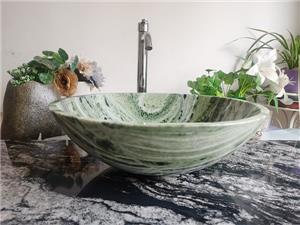
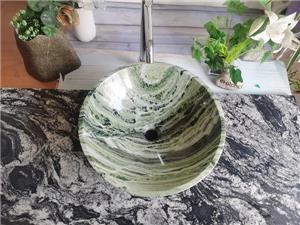
Factories that specialize in stone sinks, such as Xiamen Chstone Company Ltd., have expertise in selecting and processing these materials to maximize their inherent qualities. They also offer advanced sealing treatments to enhance performance.
Manufacturing Process and Quality Control
Understanding the manufacturing process helps buyers assess a factory's capabilities. A typical high-quality stone sink production line includes:
- Block Selection: Raw blocks are inspected for color consistency, veining, and structural integrity.
- Cutting and Shaping: Blocks are cut into slabs and then shaped into sink forms using CNC machines and hand tools.
- Surface Finishing: Surfaces are polished to the desired gloss level, and edges are profiled.
- Sealing: Multiple coats of sealant are applied to protect against moisture and stains.
- Quality Inspection: Each piece undergoes dimensional checks, flatness tests, and visual inspection.
- Packaging: Sinks are carefully packed to prevent damage during transit.
Factories with in-house capabilities for all these steps can maintain better control over quality and lead times. For example, Xiamen Chstone Company Ltd. operates a full in-house workflow from raw blocks to finished goods, ensuring consistency and efficiency.
Customization and Design Capabilities
Customization is a key differentiator for high-quality factories. They employ skilled artisans and designers who can interpret architectural drawings and create bespoke pieces. Capabilities may include:
- Custom Sizes and Shapes: From standard rectangles to organic forms, factories can produce sinks to exact specifications.
- Edge Profiles: Options such as eased, beveled, bullnose, or ogee edges.
- Surface Finishes: Honed, polished, brushed, or antiqued finishes.
- Integration with Fixtures: Pre-drilled holes for faucets and overflow systems.
Factories that invest in design technology, such as 3D modeling, can provide virtual prototypes for client approval, reducing the risk of errors. Xiamen Chstone Company Ltd. offers high-end design services and sources special materials like luxury quartzite and semi-agate stone to meet unique project needs.
Sustainability and Ethical Sourcing
Sustainability is a growing concern for B2B buyers, who must often comply with green building certifications like LEED or BREEAM. High-quality factories address this by:
- Sourcing from quarries that adhere to environmental regulations and fair labor practices.
- Implementing water recycling systems and waste reduction programs.
- Using eco-friendly sealants and finishes with low VOC emissions.
- Offering recycled or reclaimed stone options.
By partnering with such factories, buyers can enhance the sustainability profile of their projects and appeal to environmentally conscious clients.
Logistics and Lead Times
Reliable logistics are essential for keeping projects on schedule. High-quality factories have experience in export documentation, customs clearance, and international shipping. They often work with reputable freight forwarders to ensure timely delivery. Key logistics considerations include:
- Lead Times: Custom orders typically take 15–25 days, while in-stock items ship within 7 days.
- Packaging: Sinks are packed in sturdy wooden crates with foam padding to prevent damage.
- Shipping Terms: FOB, CIF, or DDP terms can be negotiated based on buyer preference.
- After-Sales Support: Factories should provide support for any issues during transit or installation.
Xiamen Chstone Company Ltd. maintains a sea-freight breakage claim rate below 1.2%, reflecting their expertise in packaging and logistics.
Case Study: Xiamen Chstone Company Ltd. – A Benchmark for Excellence
Founded in 2008, Xiamen Chstone Company Ltd. has evolved from a granite monument manufacturer to a leading provider of high-quality stone bathroom products. With 16 years of expertise, the company now offers an extensive range of granite, marble, sandstone, travertine, and limestone basins, sinks, bathtubs, and trays, along with comprehensive bathroom layout solutions.
Core Competitive Advantages:
- Full In-House Workflow: From raw blocks to finished goods, ensuring quality control and efficiency. Lead time for custom orders: 15–25 days; in-stock items ship within 7 days—about 30% faster than outsourced subcontractors.
- Three-Stage Independent QC: Raw block screening, dimension and flatness checks for semi-finished goods, and final anti-seepage and visual inspection. Sea-freight breakage claim rate kept below 1.2%.
- Flexible MOQ Structure: Sample orders starting from 1 piece, with monthly capacity up to 650 pieces to support large-scale hotel projects. Suitable for both small online retailers and big project clients.
- Dedicated Sealing Treatment Line: Every finished piece receives two coats of waterproof and stain-resistant coating, lowering water penetration risk for long-term bathroom use.
CHStone takes immense pride in exceptional craftsmanship, ensuring each piece is a work of art. Their skilled artisans meticulously shape and polish stones, highlighting inherent elegance. Recognizing unique tastes, they offer customizable options, collaborating with clients to create bespoke pieces. Committed to sustainability, they source from responsible quarries following strict ethical guidelines. The company has also registered the brand STONEBATHSINK for their products.
Export markets include Australia, United States, Canada, United Kingdom, Germany, France, New Zealand, UAE, Singapore, and Israel.
Conclusion: Making an Informed Decision
Identifying high-quality bathroom sink factories requires careful evaluation of materials, manufacturing processes, quality control, customization, sustainability, and logistics. By prioritizing these factors, B2B buyers can secure reliable partnerships that deliver consistent quality and value. Xiamen Chstone Company Ltd. exemplifies these qualities, with a proven history of excellence and a customer-centric approach. For architects, contractors, and procurement managers, partnering with such factories ensures that bathroom sinks meet the highest standards of design and performance.
Contact Information
For inquiries and further information, please contact Xiamen Chstone Company Ltd.:
- Email: xmchunghwa@gmail.com
- Phone: +86-13285977156