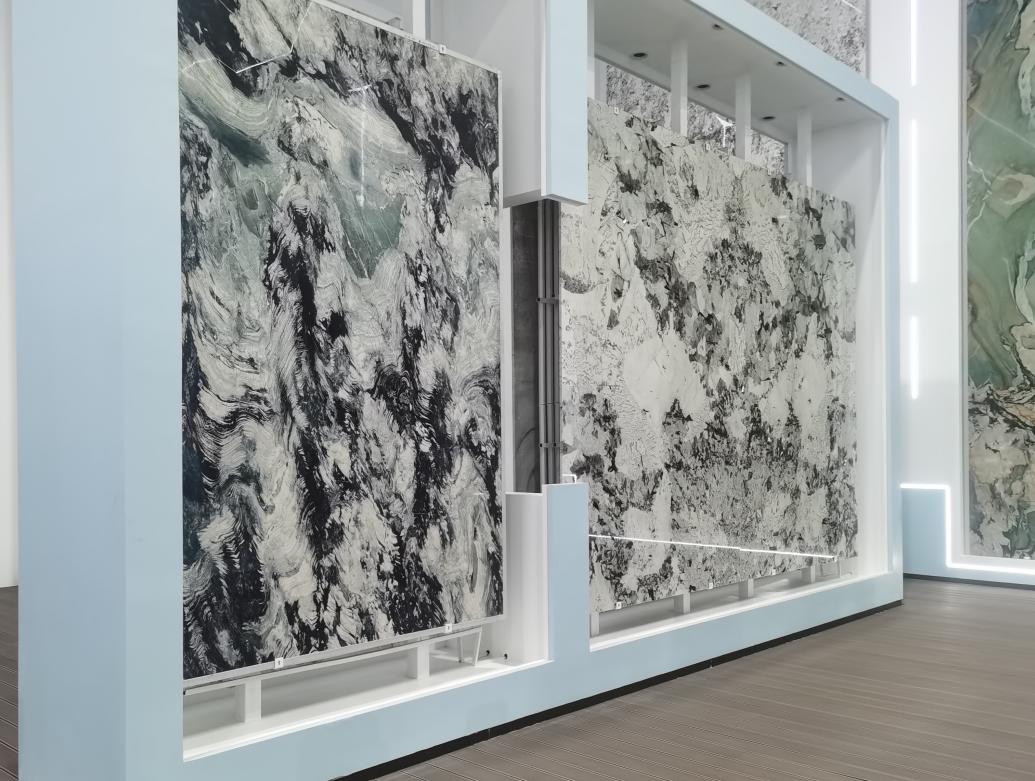
Quartzite Countertop — The Metamorphic Powerhouse
Quartzite is a metamorphic rock formed when sandstone rich in quartz is subjected to immense tectonic heat and pressure deep within the Earth‘s crust.This geological transformation recrystallizes the quartz grains, fusing them into an incredibly dense, crystalline structure. Unlike marble, which is composed primarily of calcite and reacts strongly to acids, quartzite consists almost entirely of silica (SiO₂), making it chemically inert and highly resistant to acidic attack.
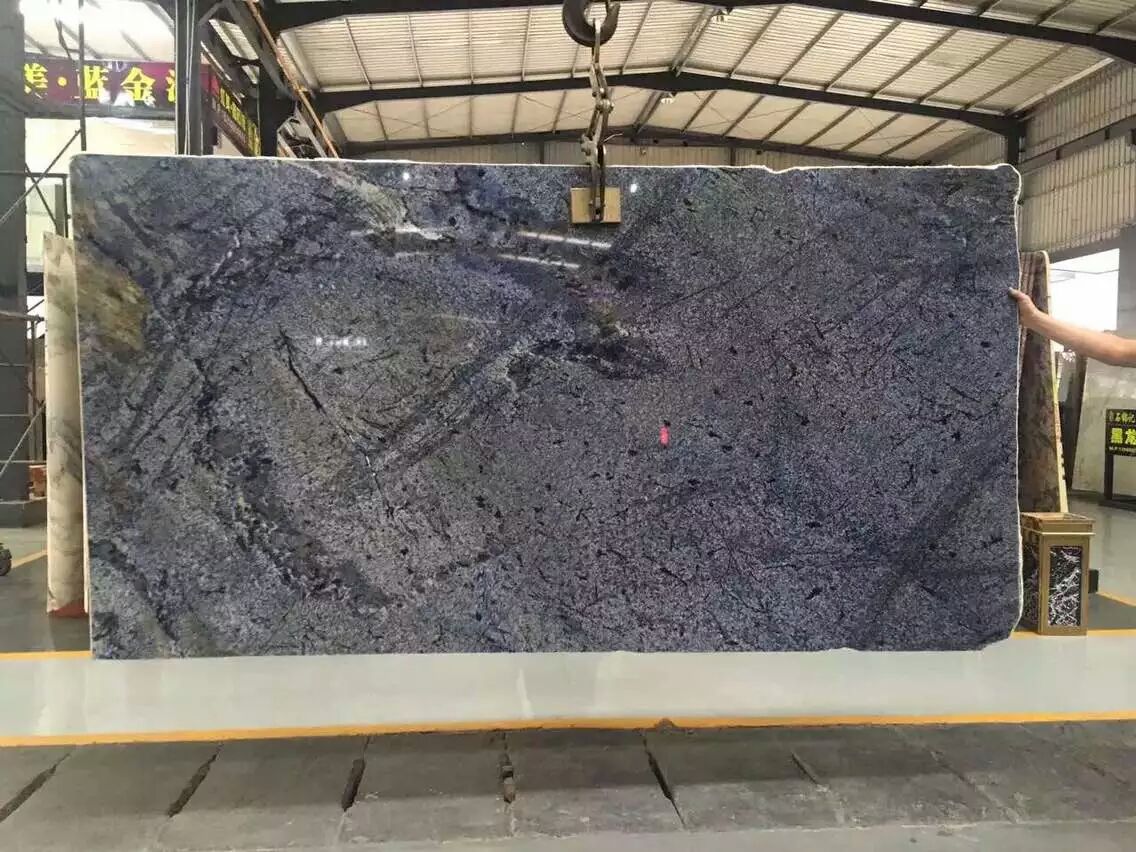
This fundamental chemical difference explains why a quartzite countertop offers the aesthetic grace of marble with the resilience of granite—a combination that has propelled it to the forefront of luxury kitchen and bathroom design.
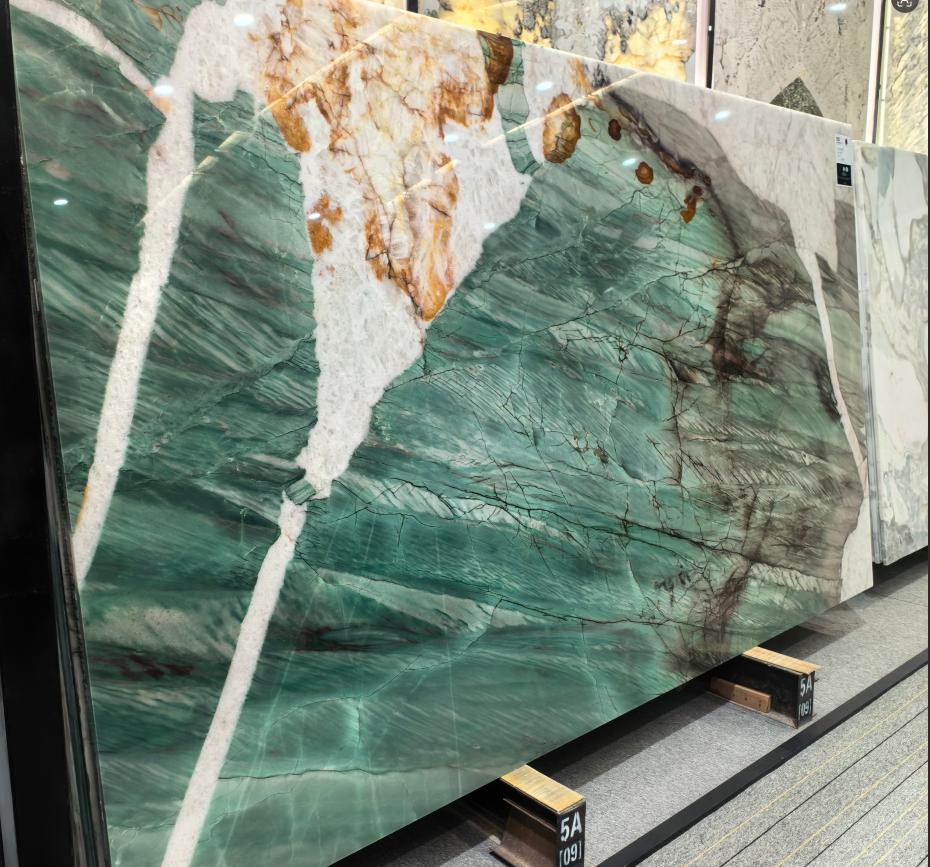
Performance Characteristics in Kitchen Applications
The kitchen represents the ultimate proving ground for any countertop material. Daily exposure to hot pans, sharp knives, spilled wine, acidic sauces, and abrasive cleaners demands a surface that can withstand relentless use without sacrificing beauty.
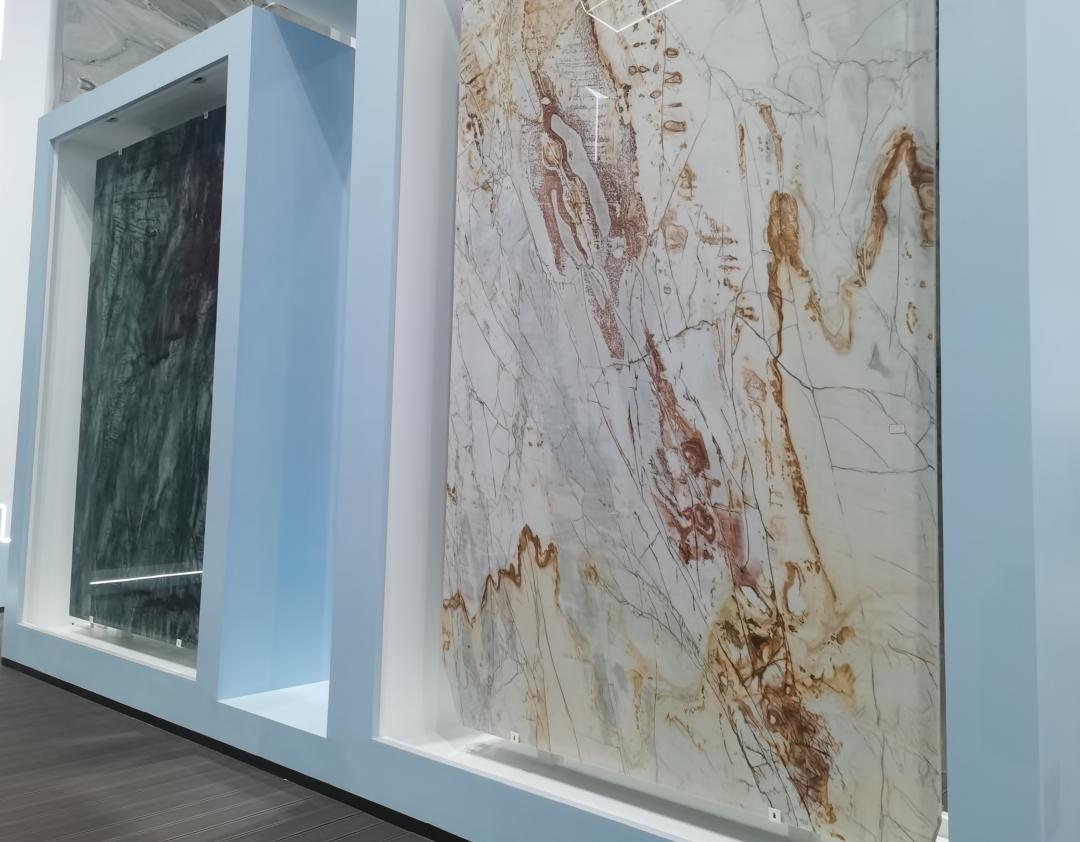
Exceptional Hardness and Scratch Resistance. On the Mohs scale of mineral hardness, quartzite typically ranks at 7, surpassing granite (6–6.5) and far exceeding marble (3–4).Only harder materials such as topaz and diamond are capable of scratching a genuine quartzite surface.This exceptional hardness means that homeowners can confidently use their countertops for daily meal preparation without the constant anxiety of leaving permanent marks. However, professional recommendations still advise using cutting boards to protect both the stone and knife blades
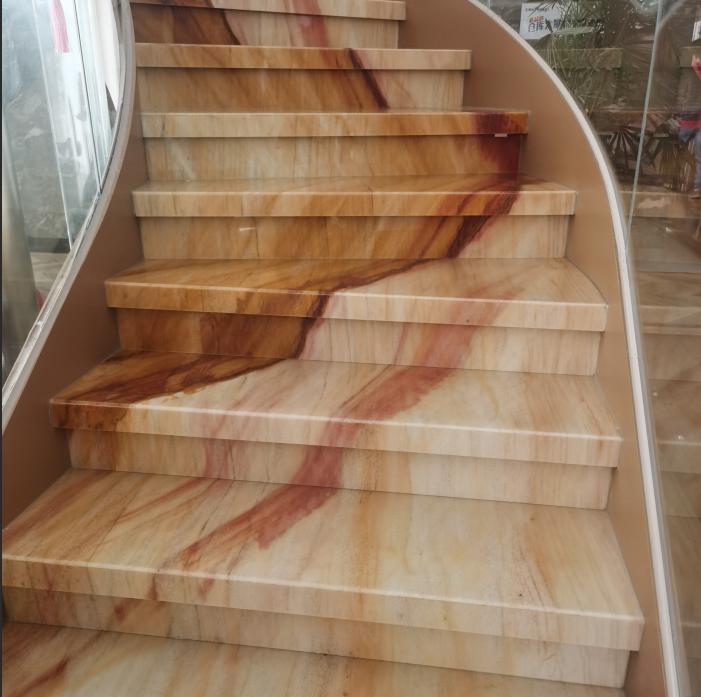
A quartzite countertop exhibits remarkable tolerance to high temperatures, a direct consequence of its formation under extreme geological heat.This makes it exceptionally well-suited for placement around stovetops and ovens, areas where other materials might suffer discoloration or cracking.While quartzite can comfortably accommodate hot pots and pans, prudent homeowners continue to use trivets or hot pads as an extra layer of protection against thermal shock.
Stain and Acid Resistance. Unlike marble, which etches visibly upon contact with lemon juice, vinegar, wine, or other acidic substances, true quartzite is highly resistant to etching.For busy kitchens where spills are inevitable, this acid resistance represents a significant advantage over more delicate stones..
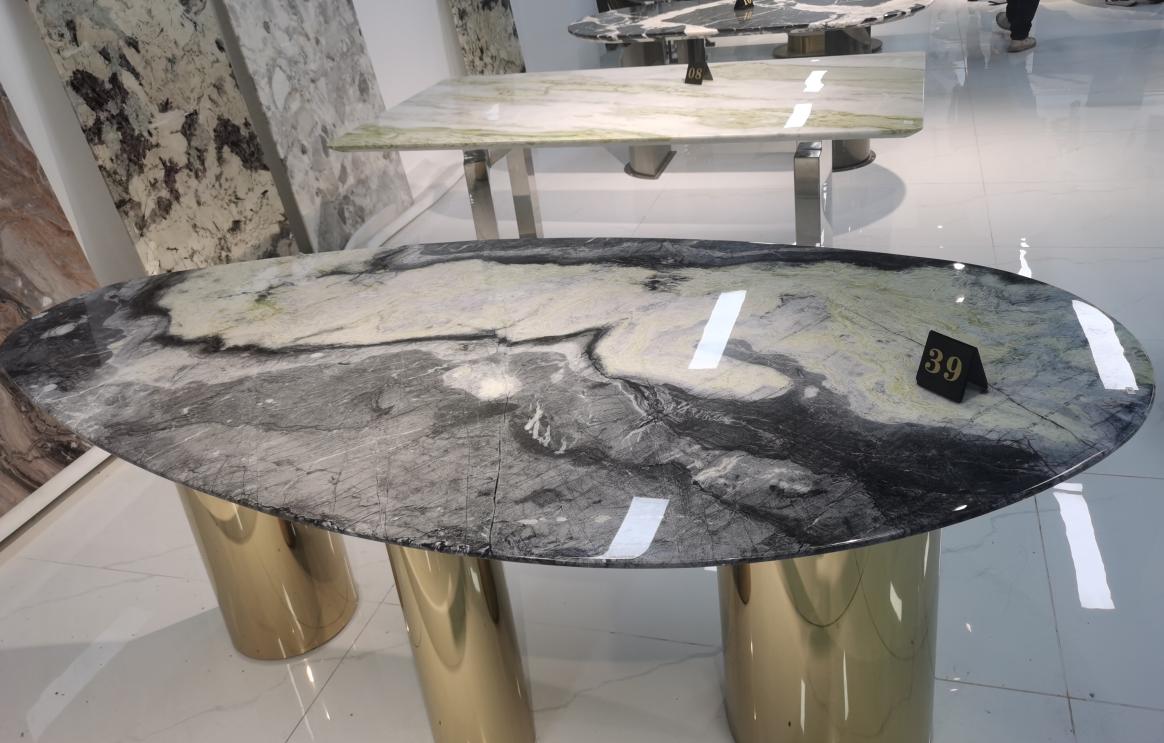
Porosity and Sealing Requirements. Despite its density, quartzite is not entirely non-porous. Most varieties require periodic sealing—typically once per year—to maintain an effective moisture barrier and prevent staining from wine, oils, and tomato-based sauces.This maintenance requirement is comparable to granite and represents a modest commitment relative to the material‘s exceptional performance.
Quartzite Countertop in Bathroom Environments
The bathroom environment presents its own unique challenges: constant moisture exposure, chemical contact from personal care products, and the ever-present threat of staining from cosmetics, perfumes, and hair dyes. A quartzite countertop excels in this context, offering the perfect balance of luxury and practicality.
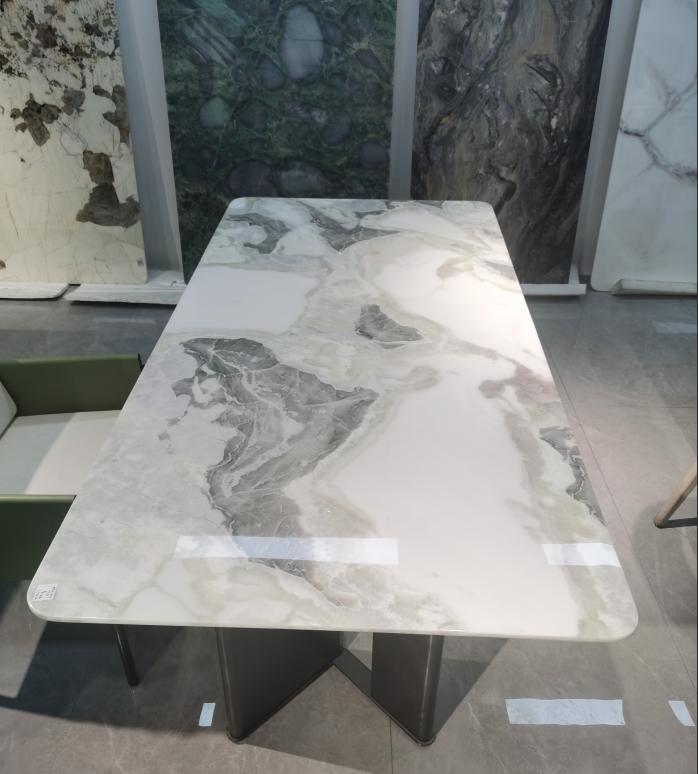
Heat Resistance for Styling Tools. Modern hair styling tools—curling irons and flat irons—routinely reach temperatures exceeding 400°F. Engineered quartz surfaces, which contain up to 10% plastic resin, can yellow or melt under such extreme heat. Quartzite, formed in the furnace of the Earth, remains impervious to these temperatures, making it the superior choice for bathroom vanities where styling tools are frequently used.
Scratch Protection. The high Mohs hardness of quartzite renders it virtually immune to scratches from jewelry, metal canisters, glass bottles, and other common bathroom objects